How can a town move away from dependence on imported fossil fuels and become more resilient, energy-efficient and largely energy self-sufficient?
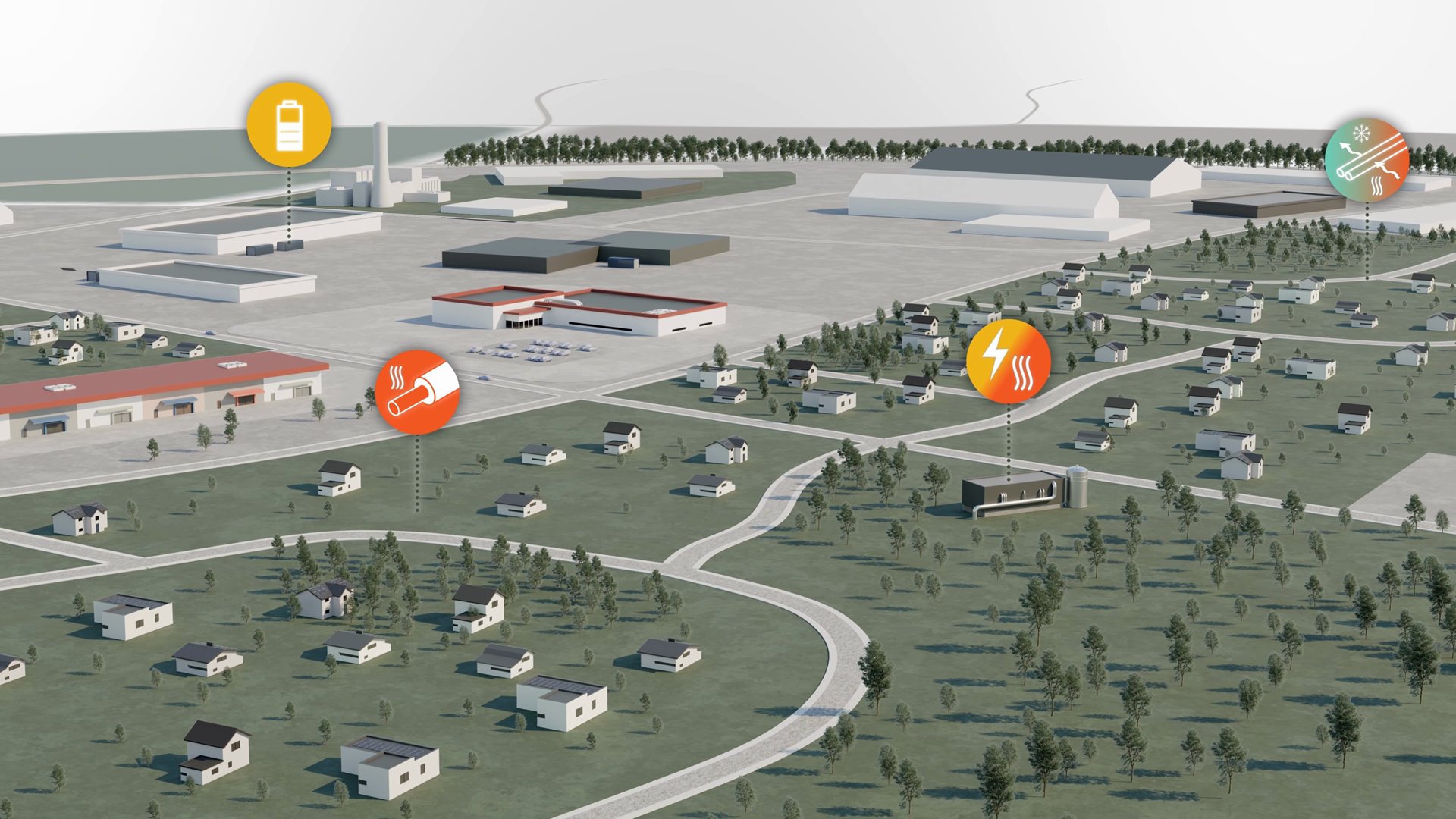
We invite you to watch the film A Town’s Transformation from Fossil Fuel Dependence to Locally Balanced Renewable Energy (https://youtu.be/FSzCkfL9x-E), which presents a model of a town’s energy transition based on cooperation between local energy producers and consumers, the integration of different technologies, and the smart management of energy production, storage and consumption.
The film covers four topics:
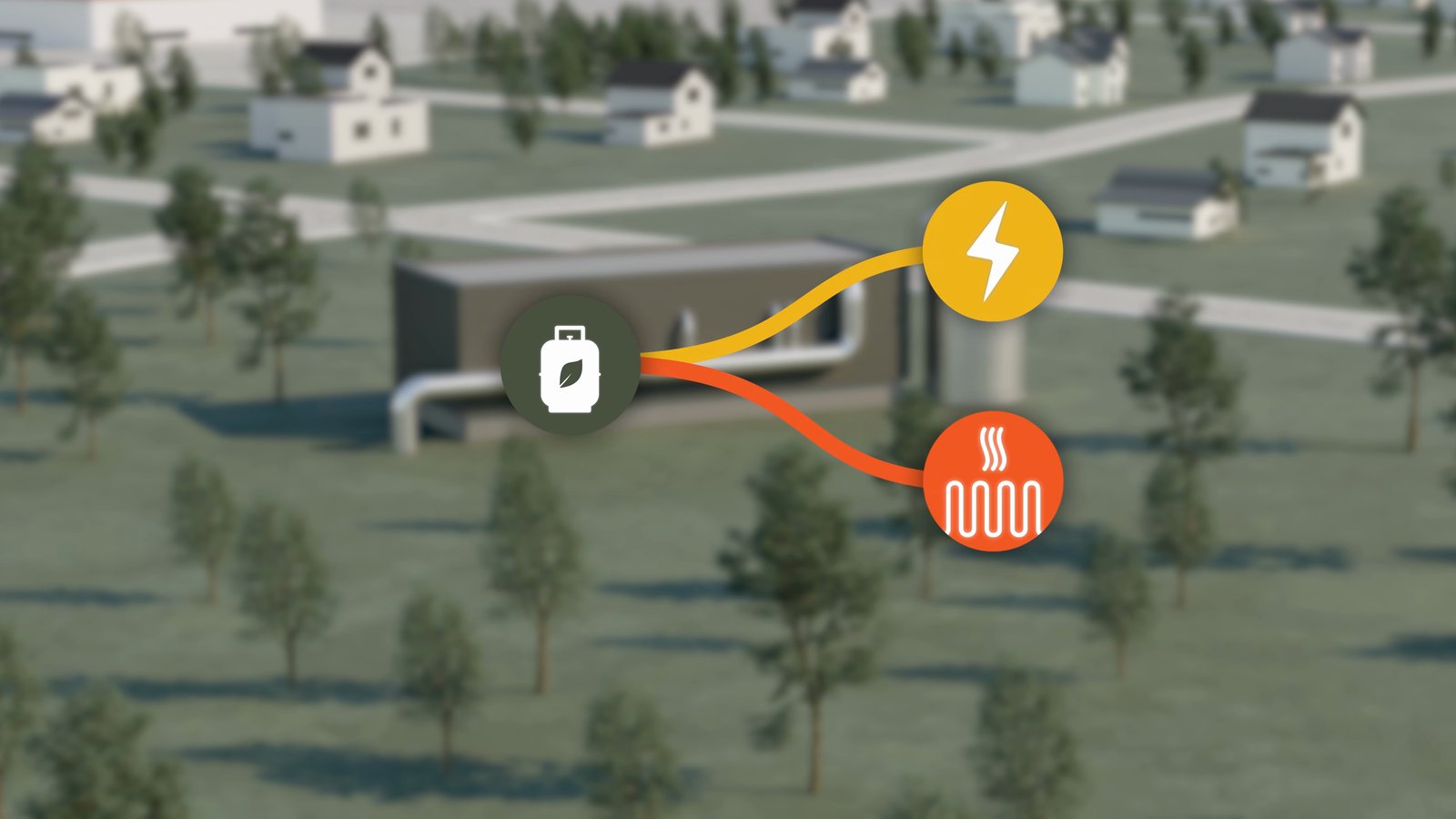
- Local bioenergy – the use of biogas and biomass in local combined heat and power plants.
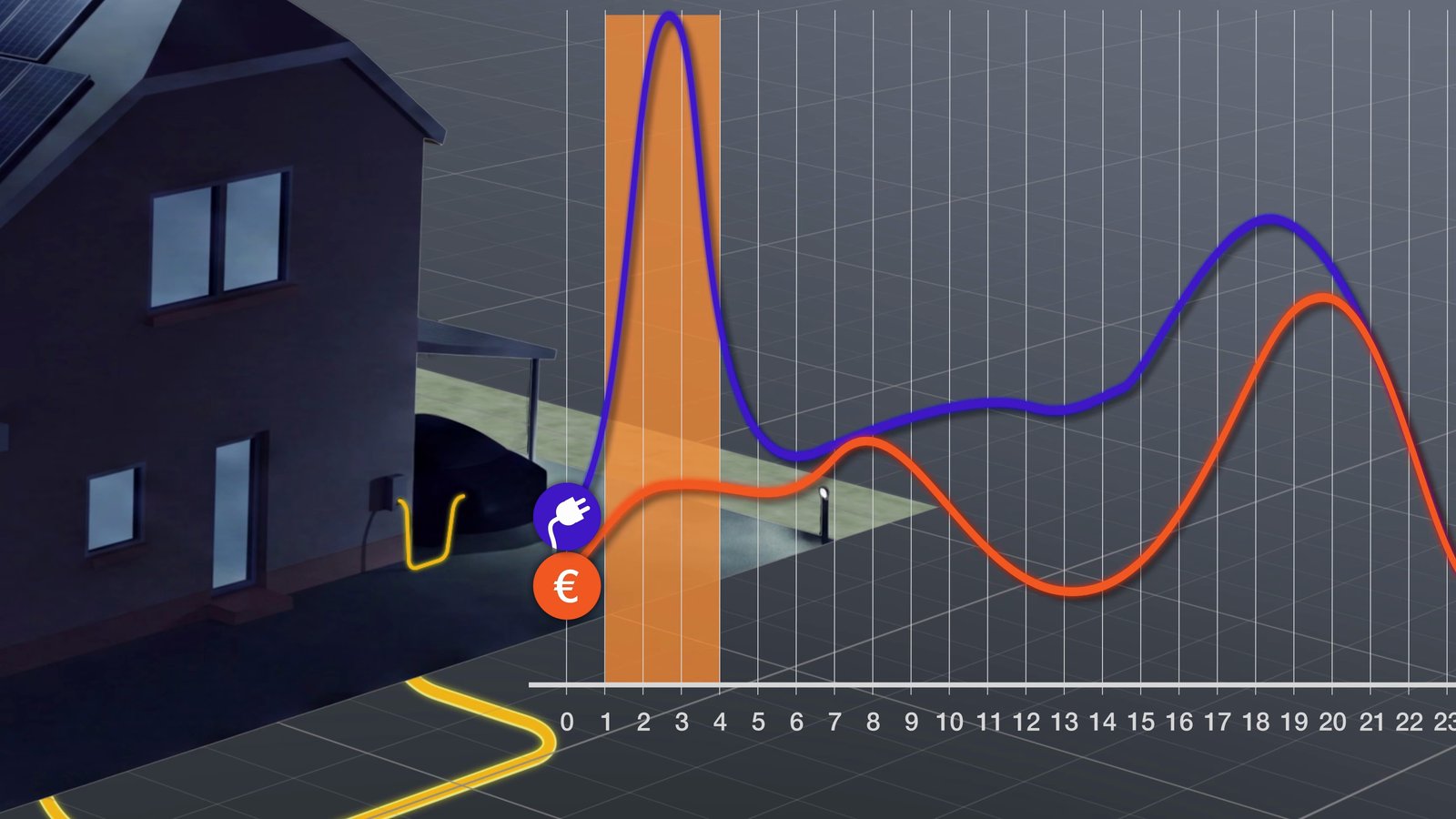
- Individual electrification – challenges related to increasing electricity demand and grid loads.
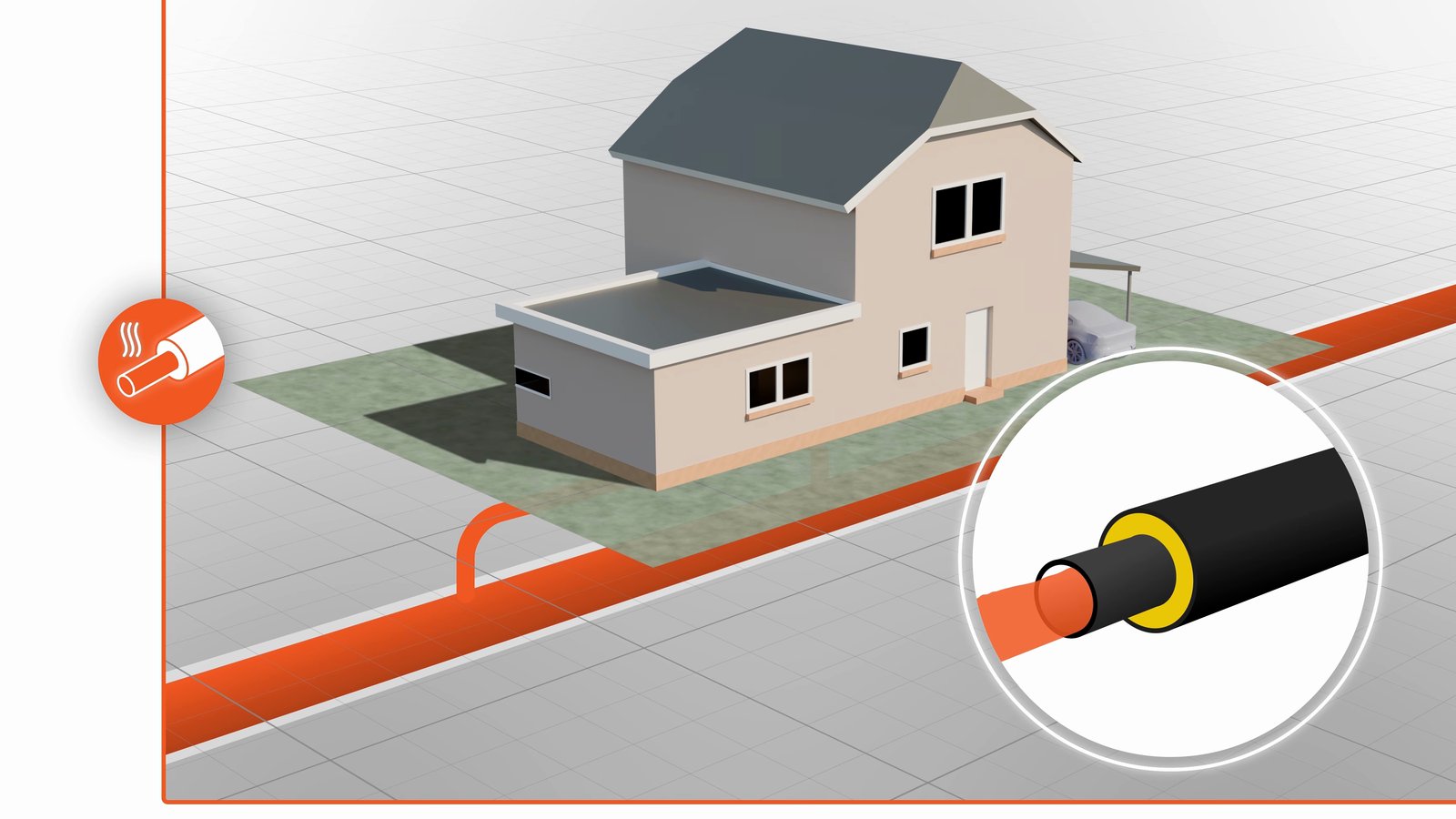
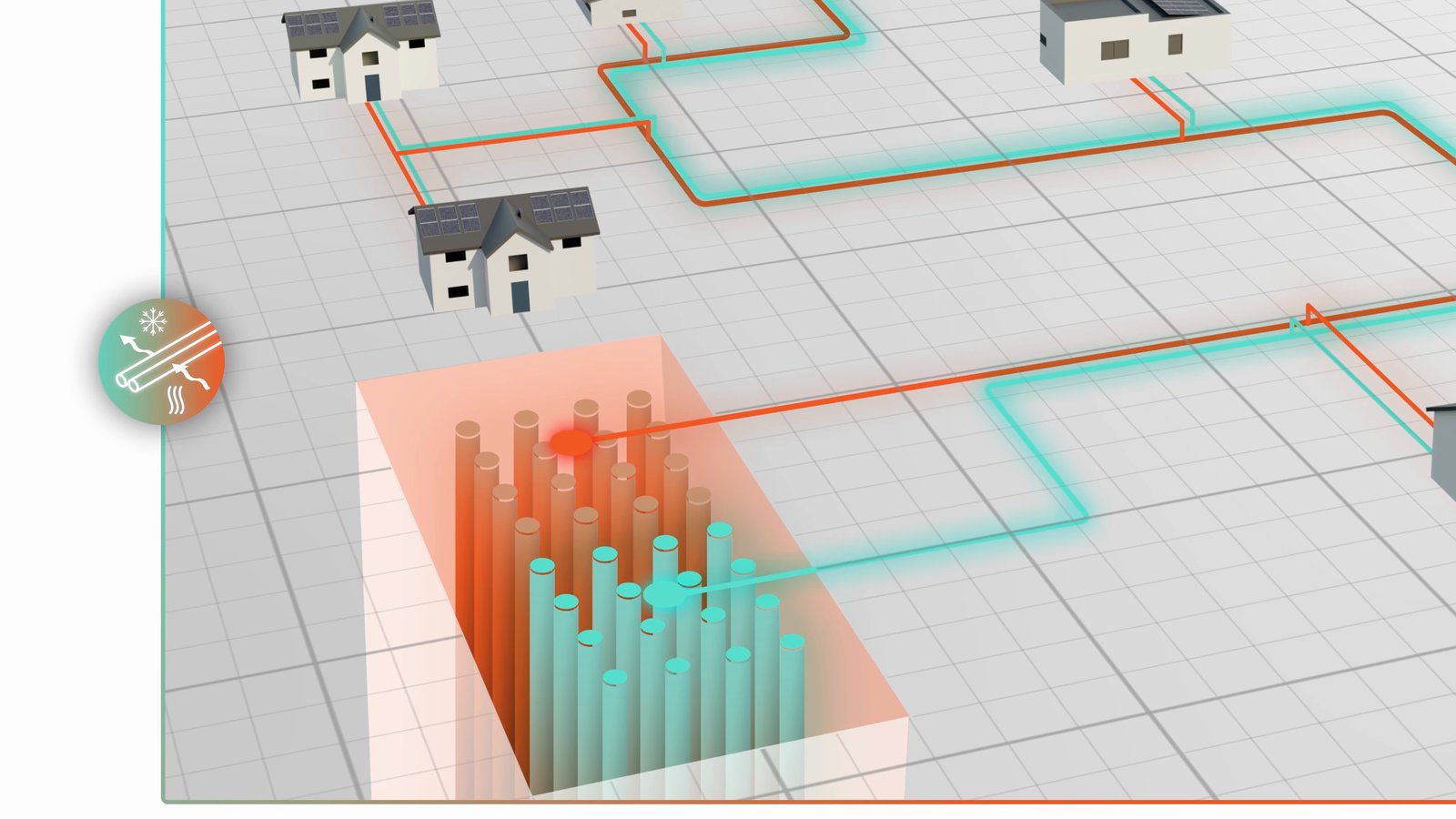
- Collective heating and cooling systems – the interaction between traditional district heating networks, thermonet systems and seasonal thermal energy storage.
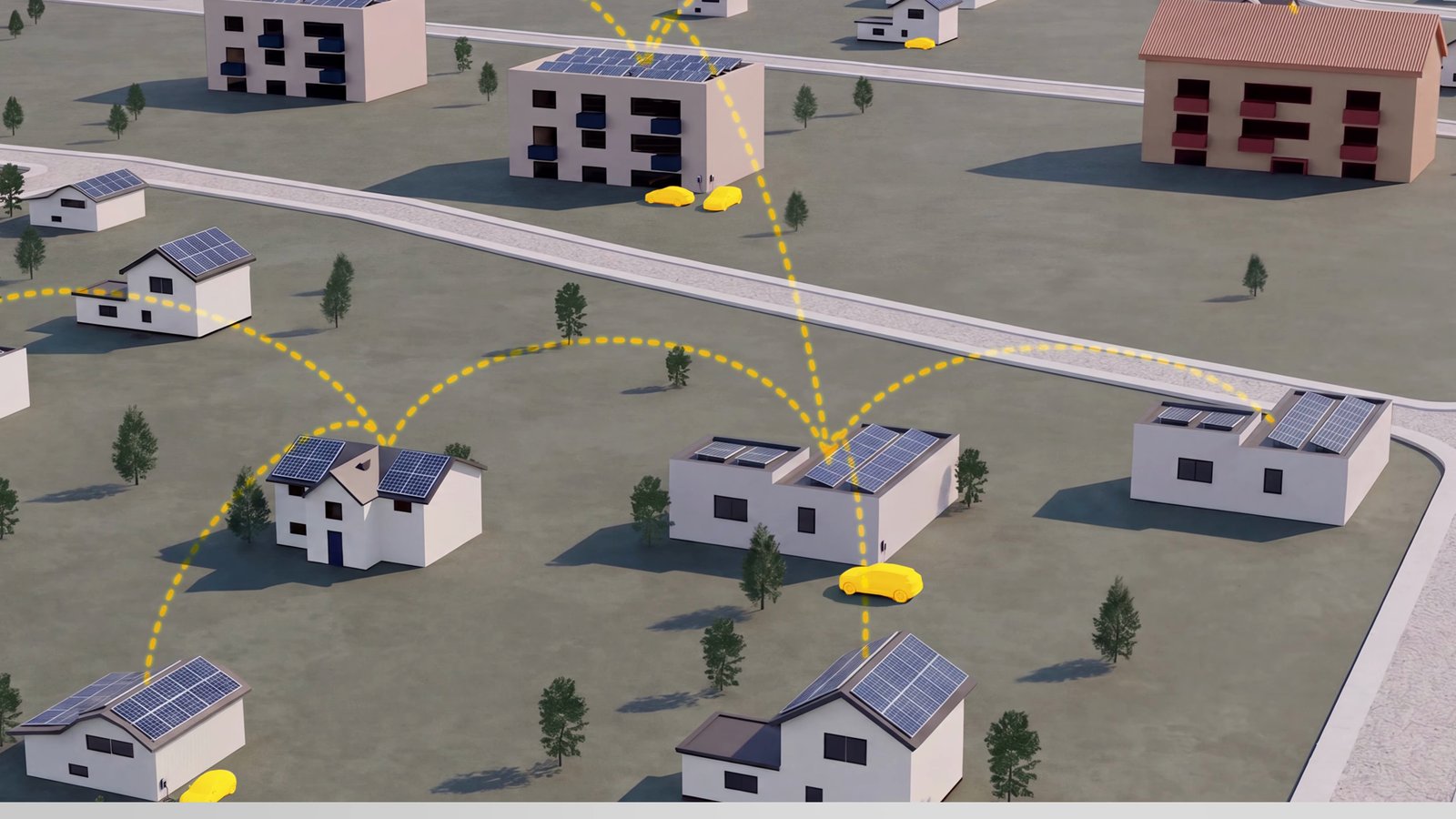
- Smart control and local energy balancing – the coordination of electric vehicles, energy storage systems, heat pumps and local solar and wind power generation.
The film shows how a local energy community owned by its consumers ensures a balance between energy production, storage and consumption through an integrated, holistic approach to the energy supply system.
Film chapters:
00:00 – Introduction: a town’s energy dependence.
03:27 – Local bioenergy and combined heat and power generation.
07:50 – Challenges of individual electrification.
10:25 – Collective systems: district heating and thermonet with seasonal thermal energy storage.
16:50 – Smart control: batteries, price signals and local energy balancing.
21:16 – The resilient town: how to establish an energy community.
The film was developed under the leadership of the Chairman of Thermonet Europe, with financial support from the Danish Energy Agency and contributions from Thermonet Europe (https://thermonet.eu/).
The English-language version of the film was funded by the BALTICBEAT project, implemented under the Interreg South Baltic Programme 2021-2027 and co-funded by the European Union.
The material is released under a Creative Commons Zero (CC0) licence.